Queue Management System in Saudi Arabia: A 2026 Guide to Ending Long Waits
A modern queue management system in Saudi Arabia has become one of the most practical investments a service business can make in 2026. As Vision 2030 pushes banks, hospitals, malls, and government offices toward world-class customer experience, nobody wants to lose a customer to a chaotic waiting line. Smart queuing technology turns that frustration into an organized, measurable, and pleasant journey.
In this guide, we explain how these systems work, where they deliver the biggest wins, and how to choose the right setup for your branch. Whether you run a single clinic in Riyadh or a national retail chain, the principles are the same: cut the wait, capture the data, and respect the customer’s time.
Why a Queue Management System in Saudi Arabia Matters Now
Saudi Arabia’s service sector is expanding fast. Population growth, tourism under the giga-projects, and the digital-government agenda all mean more foot traffic at counters. Long lines are no longer just annoying; they directly cost revenue and reputation.
Research from consumer-experience studies has long shown that perceived waiting time drives satisfaction more than the actual clock. According to Harvard Business Review, organizations that redesign service flows with technology reduce both cost and complaints at the same time. A well-tuned queuing platform does exactly that.
The Hidden Cost of Unmanaged Lines
- Walk-aways: customers leave before being served, taking future revenue with them.
- Staff stress: agents face angry visitors instead of calm, ticketed ones.
- No data: managers cannot see peak hours, bottlenecks, or agent speed.
- Brand damage: a viral photo of a crowded lobby travels fast on social media.
How Modern Queuing Technology Works
The core idea is simple. Instead of standing in a physical line, a visitor takes a ticket, and the system routes them intelligently to the right counter. Behind that simplicity sits a smart layer of software, displays, and analytics.
- Check-in: the customer takes a ticket from a kiosk, a QR code, or a mobile app.
- Routing: the system assigns them to the best available service point based on their need.
- Calling: digital signage and audio announce their number in Arabic and English.
- Service: the agent serves the customer while the platform records the interaction time.
- Feedback: a short survey captures satisfaction before the visitor leaves.
Because everything is timestamped, managers finally get honest numbers on wait time, service time, and no-shows. Those numbers are the foundation for every improvement that follows.
Virtual and Mobile Queuing
The biggest shift in 2026 is the move away from the paper ticket. Virtual queuing lets a customer join the line from their phone, run errands, and return only when their turn approaches. This reduces lobby crowding and is especially valuable for clinics and government service centers where space is limited.
Where Queue Management Delivers the Biggest Wins
Not every sector benefits equally, but most Saudi service environments see a measurable return. Below is a quick comparison of common deployments and the outcomes they typically target.
| Sector | Primary Goal | Typical Improvement |
|---|---|---|
| Banks | Reduce teller wait, route to advisors | 30–50% shorter perceived wait |
| Hospitals & clinics | Organize patient flow, cut crowding | Fewer missed appointments |
| Government offices | Fair, transparent service order | Higher trust scores |
| Telecom & retail | Match staff to peak demand | Better conversion at counters |
| Drive-thru & QSR | Speed up order-to-handoff time | Higher cars per hour |
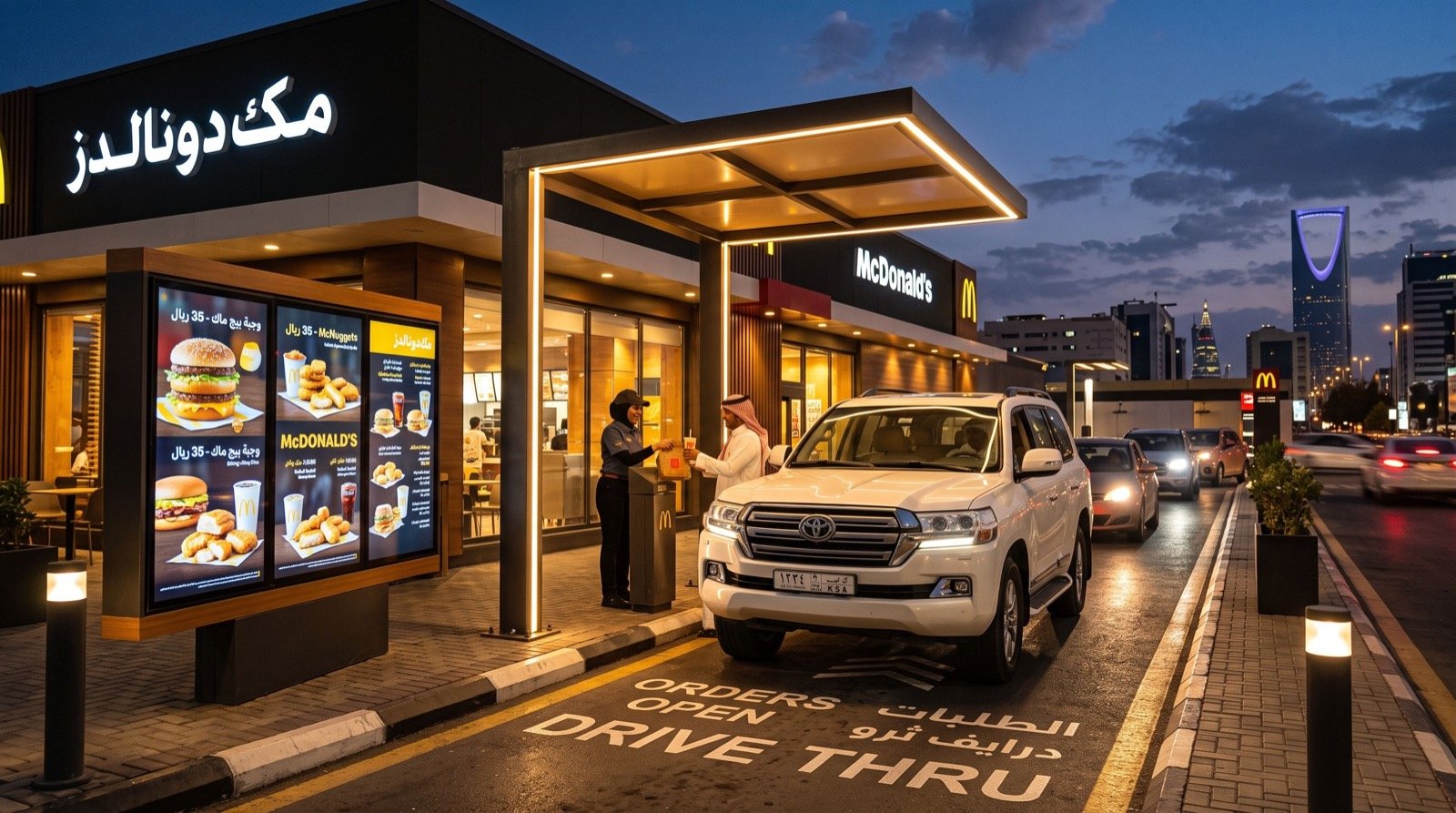
For businesses that serve customers in vehicles, the same customer-flow philosophy applies outdoors. Well-designed Drive Thru Systems use timers, order-confirmation screens, and headset audio to keep cars moving and orders accurate, which is the queuing challenge simply moved from a lobby to a lane.
What Should You Look For in a Provider?
Choosing the right partner matters as much as the technology itself. A great platform installed poorly still frustrates customers. When you evaluate vendors, look beyond the brochure.
Key Selection Criteria
- Bilingual interface: full Arabic and English support is non-negotiable in the Kingdom.
- Scalability: can it grow from one branch to a nationwide network?
- Integration: does it connect to your CRM, appointment booking, and analytics?
- Local support: on-the-ground engineers who understand Saudi compliance and uptime needs.
- Reporting depth: dashboards that turn raw data into clear management decisions.
Teams looking for a proven, standards-based queue management system in saudi arabia should prioritize providers with real deployment experience across banking, healthcare, and public-sector projects, because those environments are the most demanding.
You should also confirm that the vendor offers ongoing maintenance rather than a one-time install. As one of the more dependable specialists in service technology will tell you, the difference between a good rollout and a great one is the support that comes after go-live.
Measuring ROI: From Wait Time to Real Money
Executives approve budgets when they see numbers. A queuing platform pays for itself through several linked gains that compound over a year.
- Lower abandonment: every customer retained is protected revenue.
- Staff efficiency: demand-based scheduling means no idle agents at 11 a.m. and no chaos at 5 p.m.
- Upsell moments: signage during the wait promotes products and services.
- Compliance: transparent, first-come-first-served logic supports fairness audits.
Set a baseline before installation, then measure the same metrics 90 days later. Most Saudi operators find that the combination of reduced walk-aways and better staffing covers the investment well within the first year.
Frequently Asked Questions
What is a queue management system in Saudi Arabia used for?
It organizes customer flow so visitors are served in a fair, efficient order. It replaces messy physical lines with digital tickets, smart routing, on-screen calling, and detailed analytics that help managers cut wait times.
How long does it take to install a queuing system?
A single branch can often go live within a few days once hardware and network access are ready. Multi-branch rollouts are phased, but cloud-based platforms in 2026 make national deployments much faster than they were even a few years ago.
Can it work with mobile and virtual queuing?
Yes. Modern systems let customers join a line from a smartphone via QR code or app, receive live updates, and arrive only when their turn is near. This reduces lobby crowding and improves the overall experience.
Does it support both Arabic and English?
Reputable systems provide full bilingual tickets, signage, and audio announcements. Bilingual support is essential for the diverse customer base found across Saudi banks, hospitals, and government service centers.
Conclusion: Give Every Customer’s Time the Respect It Deserves
In a market moving as fast as the Kingdom’s, waiting badly is a competitive disadvantage you cannot afford. A well-chosen queue management system in Saudi Arabia shortens perceived waits, empowers your staff with data, and protects your brand from the frustration of unmanaged lines. Pair it with efficient drive-thru flow and you cover both indoor and curbside journeys.
Ready to transform your customer experience in 2026? Talk to an experienced provider, request a live demo, and start measuring the difference intelligent queuing makes from day one.